
No products in the basket.
Introduction to Handheld Ultrasound Scanners
Abdominal Ultrasound imaging
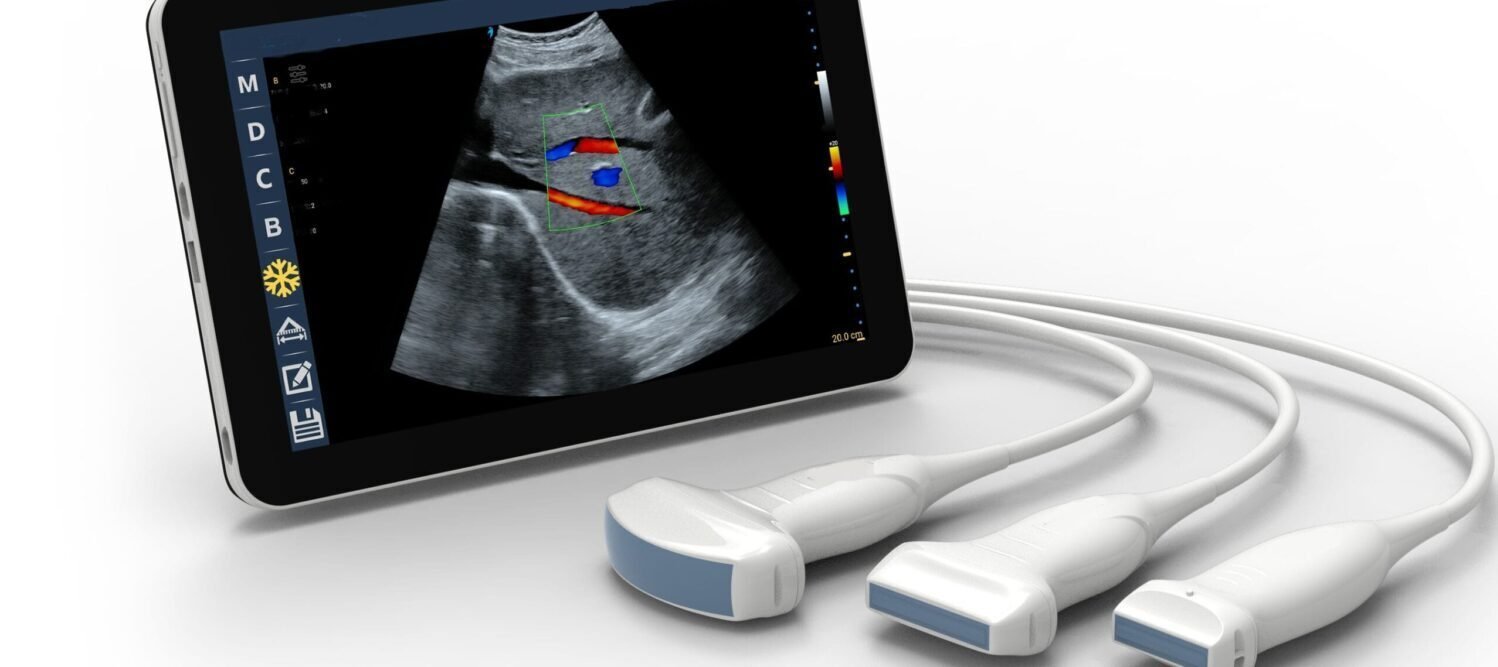
Handheld ultrasound scanners represent a significant advancement in medical imaging technology, offering portable and user-friendly alternatives to traditional ultrasound systems. Unlike their larger counterparts that typically require dedicated examination rooms and extensive setup, handheld devices are designed for ease of use and convenience in various clinical settings. These compact systems enable healthcare professionals to perform ultrasound procedures quickly and efficiently, which has fueled their growing popularity in recent years.
The portability of handheld ultrasound scanners allows for real-time diagnostics in diverse environments, from emergency rooms and outpatient clinics to remote settings where access to conventional medical equipment may be limited. With their lightweight design, these devices can be easily integrated into routine medical practice, facilitating immediate assessments and enhancing patient care. Their application spans multiple domains, including obstetrics, cardiology, and musculoskeletal assessments, proving their versatility in clinical diagnosis.
As handheld ultrasound scanners become increasingly prevalent in the UK, their impact on medical education and training is becoming evident. Medical professionals can now engage in focused research and education on utilizing these tools effectively. Training programs are evolving to incorporate this technology, ensuring that practitioners are equipped with the necessary skills to leverage handheld operators in their practice. Furthermore, the demand for such innovative devices is driving the procurement processes within the NHS and private healthcare sectors, emphasizing funding considerations in the acquisition of these scanners.
The engagement of healthcare providers with handheld ultrasound technology has paved the way for enhanced clinical outcomes and more informed decision-making. As researchers continue to study, evaluate, and refine these medical devices, the outlook for their integration into everyday medical practices remains optimistic.
Applications in Soft Tissue Examinations
Handheld ultrasound scanners have emerged as invaluable tools in the medical field, particularly for soft tissue examinations. These portable devices facilitate the rapid and accurate diagnosis of a variety of conditions affecting soft tissues, such as abdomine, liver, kidney, bladder, muscles, tendons, and ligaments. Utilizing ultrasound technology enables clinicians to visualize anatomical structures in real-time, enhancing their ability to assess injuries or abnormalities.
In musculoskeletal medicine, handheld ultrasound scanners assist healthcare professionals in diagnosing conditions like tendon tears, muscle strains, and bursitis. With their portability, these devices provide immediate imaging results right at the point of care, significantly expediting the decision-making process for treatment or further investigation. In addition, studies have shown that ultrasound-guided procedures, such as injections or aspirations, have higher success rates when performed with real-time imaging, making handheld devices essential in clinical settings.
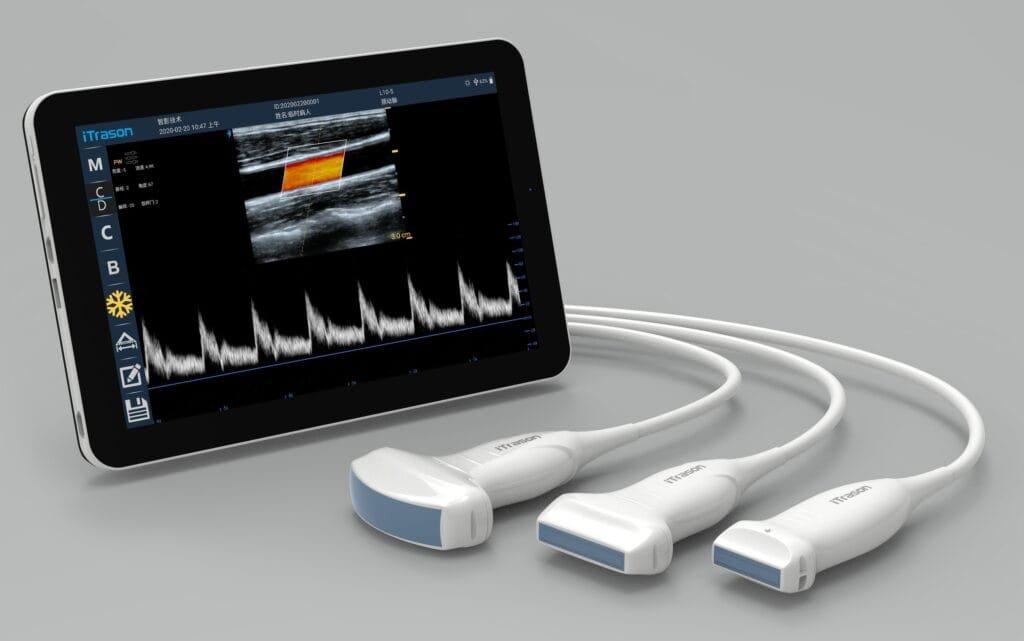
Colour Doppler with Conventional Probe scanning cross sectional
footprint
Furthermore, the application of handheld ultrasound extends beyond sports medicine and orthopedics. In obstetrics, for instance, practitioners employ these devices for immediate assessments during prenatal visits, allowing for quick evaluations of fetal health. Similarly, surgeons utilize handheld ultrasound to guide them during procedures, ensuring accuracy while minimizing potential risks associated with anatomical landmarks.
When considering the cost-effectiveness of these devices, healthcare procurement teams are increasingly turning to handheld ultrasound scanners for their versatility. By integrating them into clinical practice, institutions can reduce the need for traditional imaging methods, such as MRI or CT scans, which often require extensive wait times and higher funding. Consequently, the evolution of handheld ultrasound technology marks a significant advancement in the realm of medical diagnostics, providing healthcare professionals with efficient and reliable tools for various soft tissue examinations.
Ultrasound Guided Procedures and General Imaging
Handheld ultrasound scanners have revolutionized the landscape of medical imaging and are increasingly utilized for ultrasound-guided procedures. Their portability and ease of use make them invaluable tools in a variety of clinical settings, including outpatient practices and remote locations. These devices enhance the precision of interventions, enabling healthcare providers to visualize anatomical structures in real time, thus improving patient outcomes.
One significant advantage of using handheld ultrasound scanners during procedures is their role in enhancing the accuracy of needle placement. This is particularly crucial in fields such as anesthesiology, where accurate lumbar punctures or peripheral nerve blocks can significantly reduce patient discomfort and minimize complications. The ability to visualize anatomy in real time allows practitioners to navigate complex anatomical variations, ensuring that interventions are performed accurately.
In addition to ultrasound-guided procedures, these scanners have diverse applications in general imaging. They are utilized for quick diagnostic assessments in various medical contexts, ranging from emergency departments to primary care. The versatility of handheld devices, along with their increasing integration into educational programs and clinical training, ensures that practitioners are equipped with the necessary skills for effective diagnosis and treatment. Ongoing research continues to explore the potential of these compact devices in expanding their utility and application.
Furthermore, the procurement and funding solutions for ultrasound scanners have improved accessibility for a broader range of healthcare facilities. As such, there is a growing emphasis on the education and training of medical practitioners in utilizing these devices for both educational and clinical purposes. By enhancing existing proficiency in ultrasound through training, healthcare professionals can further improve their diagnostic acumen and procedural effectiveness.
In conclusion, the incorporation of handheld ultrasound scanners into medical practice facilitates a range of guided procedures and general imaging applications that enhance clinical outcomes and improve the quality of patient care.
Image Quality and Technical Features
The efficacy of handheld ultrasound scanners is significantly influenced by their image quality and technical specifications. High density imaging capabilities are critical for providing clear, detailed visuals necessary for medical diagnoses. These features enable healthcare professionals to assess anatomical structures with greater accuracy, yielding more precise clinical results. Handheld devices are now equipped with advanced imaging technologies, which facilitate superior sound wave visualization, thereby enhancing the overall diagnostic procedure.
Different imaging modes available in modern handheld ultrasound scanners are paramount in improving diagnostic capabilities. For instance, 2D imaging provides real-time visualization of structures, whereas 3D imaging features offer a more comprehensive view of complex anatomical areas. Tertiary imaging modes, such as Doppler, allow clinicians to evaluate blood flow dynamics, which supports a range of medical applications from fetal monitoring to vascular assessments. Such versatility underscores the importance of integrating various imaging techniques into one handheld device.
Moreover, measurement capabilities in these scanners are crucial for clinical evaluations. Measurements of volume, area, and other anatomical metrics can now be performed swiftly and accurately. This integration of measurement functionality within handheld ultrasound devices reduces the need for separate equipment and enhances the efficiency of the diagnostic process. Ultimately, the quality of the images produced is a reflection of the underlying technology, and continuous advancements in this area are vital for funding future research and education in ultrasound training.
Speed and Power: Efficiency in Scanning
The advancement of technology has significantly impacted the field of medical diagnostics, particularly with handheld ultrasound scanners. One critical aspect to consider is the speed and power of these devices, as they play an essential role in the overall efficacy of the scanning procedure. Fast frame rates are crucial in ensuring that clinicians can capture real-time images quickly, enhancing the quality of the diagnosis and enabling immediate clinical decisions.
Battery life is another vital parameter associated with handheld ultrasound machines. Extended battery performance ensures that healthcare professionals can conduct multiple examinations without interruption, particularly in emergency situations or remote locations where access to power supply may be limited. Efficient energy management systems incorporated into these devices allow for prolonged usage, making them ideal for on-the-go medical practitioners.
Processing speed is another indispensable element that directly influences the imaging quality. Handheld ultrasound scanners equipped with advanced processors can handle large amounts of data efficiently, leading to sharper imaging and quicker interpretations. This attribute not only enhances the anatomical visibility for practitioners but also improves the overall patient experience. The ability to visualize the internal structures of the body quickly and accurately can significantly impact treatment planning and diagnostic accuracy.
Furthermore, training and education in utilizing these machines effectively can enhance the operational efficiency of the scanning procedures. Proper training ensures that medical personnel can leverage the full capabilities of handheld ultrasound technologies, facilitating optimal utilization in various clinical scenarios. Ongoing research into improving speed and power management in ultrasound devices will likely lead to further advancements in diagnostic capabilities.
In summary, the synergy between speed, power, and efficient scanning procedures significantly influences the effectiveness of handheld ultrasound scanners in medical practice. Focusing on these attributes ensures that healthcare professionals can deliver high-quality care in various environments.
Cost-Effectiveness of Dual Head and Wireless Models
Handheld ultrasound scanners have gained prominence in the medical field due to their innovative features and adaptability. Among these, dual head and wireless models present significant cost-effectiveness, making them an appealing choice for medical facilities. These scanners not only reduce the initial investment required for procurement but also decrease operational costs over time.
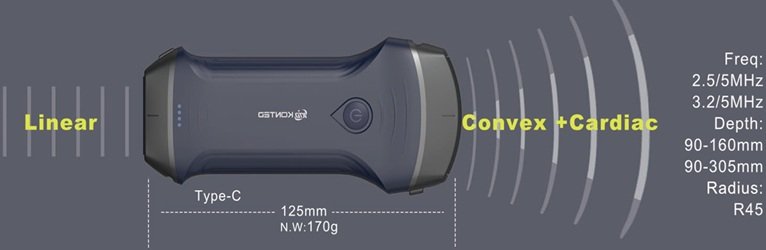
Dual head ultrasound models, designed to optimize multi-use scenarios, allow healthcare providers to conduct various diagnostic procedures in different clinical settings. This versatility enables hospitals and clinics to allocate resources efficiently, maximizing the return on investment from a single device. In addition, their portability facilitates training and education for medical personnel, further enhancing staff capabilities while minimizing the need for extensive infrastructure.
Wireless handheld ultrasound scanners further enhance cost-effectiveness by eliminating the need for cumbersome wiring and related maintenance expenses. This flexibility allows healthcare providers to adapt ultrasound imaging workflows quickly and efficiently without incurring excessive costs. The capability for remote access not only speeds up the diagnosis process but also supports mobile healthcare services, expanding the reach of medical care into underserved areas.
The combination of affordability and efficacy makes these models a vital consideration in the ongoing study of healthcare technologies. By adopting dual head and wireless ultrasound modalities, institutions are not only improving their clinical services but are also reinforcing their funding strategies. Through careful budgeting and investment in these advanced tools, medical facilities can facilitate better patient outcomes while managing their financial health effectively.
User Interface and Portability Advancements
The advancements in the design of handheld ultrasound scanners have significantly transformed their functionality, particularly focusing on user interface and portability. The user interface of these devices has evolved to incorporate touchscreens, intuitive layouts, and even voice command features, greatly enhancing the user experience. An intuitive interface allows clinicians, whether experienced or new to ultrasound technology, to navigate through various settings and procedures with ease. This seamless interaction is essential during time-sensitive medical scenarios, where accurate and prompt diagnosis can be crucial.
Furthermore, the compact and lightweight nature of handheld ultrasound devices facilitates their use in a wide range of environments beyond traditional clinical settings. Mobile healthcare professionals can conduct examinations at the bedside or in remote areas, allowing for immediate clinical assessments and interventions. Such portability is particularly beneficial in emergency situations or rural health contexts where access to diagnostic imaging may be limited. As a result, healthcare providers are increasingly purchasing these handheld scanners to enhance their diagnostic and procedural capabilities across various practice settings.
Moreover, the integration of advanced imaging technologies into handheld devices maintains diagnostic accuracy comparable to conventional ultrasound machines. This ensures that anatomical details remain clear and clinically relevant, providing critical information for patient assessments. Training programs focusing on the effective use of these devices should be prioritized in educational curriculums to bridge any knowledge gaps. Continuing medical education initiatives can further empower practitioners by equipping them with the necessary skills to maximize the potential of portable ultrasound technologies.
Optional Features: Cart and DICOM Connectivity
Handheld ultrasound scanners have emerged as versatile tools in medical diagnosis and clinical procedures. Among the various optional features available, carts for enhanced mobility and DICOM connectivity for streamlined data management play significant roles in optimizing their use in healthcare settings. The integration of a mobility cart allows healthcare professionals to transport the ultrasound device efficiently, making it particularly beneficial in emergency situations or in facilities where space is limited.
Employing a cart can significantly enhance workflow efficiency. Healthcare providers can operate the ultrasound scanner at the point of care, thereby facilitating immediate diagnosis and treatment decisions. This accessibility not only saves valuable time but also contributes to improved patient outcomes. The convenience of having a portable unit that can be utilized in various areas of a hospital or clinic further extends the ultrasound’s applicability in different medical procedures, such as vascular assessments, cardiac imaging, and obstetric evaluations.
DICOM (Digital Imaging and Communications in Medicine) connectivity is another pivotal feature that adds value to handheld ultrasound scanners. This functionality enables seamless sharing and integration of imaging data across various health information systems. By adopting DICOM standards, healthcare institutions can ensure secure storage and retrieval of ultrasound images, thereby improving the accuracy of diagnostics and the continuity of patient care. Additionally, DICOM connectivity aids in maintaining a comprehensive record of patient imaging studies, which is essential for ongoing research and study in the field.
In summary, the optional features of carts and DICOM connectivity in handheld ultrasound scanners contribute significantly to enhancing procedural efficiency and optimizing data management for healthcare professionals. Such advancements illustrate the transformative potential of technology in improving medical practices.
Conclusion: How to Purchase from Meditechnik
In conclusion, selecting the right handheld ultrasound scanner is crucial for various medical applications, including diagnosis, clinical research, and training. As discussed, Meditechnik offers a diverse range of ultrasound-guided medical devices that cater to multiple sectors in the healthcare industry. Their reputation for quality and innovation in the procurement of medical technology highlights the importance of understanding the specific anatomical insights that these devices can provide.
The purchasing process from Meditechnik is designed to be straightforward and customer-friendly. Prospective buyers are encouraged to reach out directly for detailed inquiries regarding product specifications, funding options, and educational support available for optimal use of their ultrasound machines. By engaging with Meditechnik’s experts, buyers not only make informed decisions but also ensure that their chosen devices meet clinical requirements and facilitate effective healthcare delivery.
Ask for Demonstration. Furthermore, training programs are offered to help healthcare professionals become proficient in operating these ultrasound scanners. This aspect is essential, as proper education and training can significantly impact the effectiveness of the ultrasound guided procedures performed using these devices.
For more information or to initiate the procurement process, interested parties can contact Meditechnik directly through their official website or customer service line. It is recommended to provide any specific medical applications or clinical cases for which the ultrasound device is intended. This approach assists the team in suggesting the most suitable products tailored to exact needs.
By investing in these advanced ultrasound technologies and emphasizing education and training, healthcare facilities can enhance their diagnostic capabilities and ultimately improve patient outcomes.